Knee arthritis is one of the common causes of knee pain, stiffness, and difficulty walking, particularly among older adults. It can affect everyday activities such as climbing stairs, getting up from a chair, standing for long periods, or walking comfortably. With appropriate diagnosis and treatment, many people can manage their symptoms, improve mobility, and maintain an active lifestyle.
At Dr. Sonawane Orthocare Clinic, patients experiencing knee pain and arthritis can receive orthopedic assessment and guidance on suitable treatment options based on their symptoms, joint condition, and daily activities.
Common Causes of Knee Arthritis
Several factors can contribute to knee arthritis, including:
Age-related changes in joint cartilage
Previous knee injuries or fractures
Meniscus or ligament injuries
Excess body weight, increasing stress on the knee
Family history of osteoarthritis
Repetitive stress from certain activities
Inflammatory conditions such as rheumatoid arthritis
Previous knee surgery or joint damage
Abnormal joint alignment
Having one or more risk factors does not guarantee that arthritis will develop. An orthopedic evaluation helps identify the likely cause of knee pain.
Symptoms of Knee Arthritis
Symptoms may develop gradually and become more noticeable over time. Common signs include:
Pain during walking or standing
Knee stiffness after sitting or resting
Difficulty climbing or descending stairs
Swelling around the knee
Reduced knee movement
Pain when getting up from a chair
A grinding or clicking sensation during movement
Difficulty squatting or kneeling
Reduced walking distance
Pain that interferes with sleep or daily activities
Some people experience pain mainly during activity, while others may develop discomfort at rest as the condition advances.
Persistent knee pain should not automatically be attributed to arthritis. Meniscus injuries, ligament problems, bursitis, and other conditions can produce similar symptoms.
Treatment Options for Knee Arthritis
Treatment depends on the severity of arthritis, the patient's age, general health, pain level, and lifestyle. Many patients can begin with non-surgical treatment.
1. Exercise and Physiotherapy
Strengthening the muscles around the knee can improve joint support, balance, and walking ability. Physiotherapy may include strengthening exercises, flexibility training, and guidance on safe movement.
Low-impact activities, such as stationary cycling or swimming, may be suitable for some patients. Exercise should be adapted to individual symptoms and abilities.
2. Weight Management
For people who are overweight, gradual weight reduction can reduce the load placed on the knee during daily activities. Even modest weight loss may help improve symptoms and physical function.
3. Medicines for Pain Relief
A doctor may recommend suitable pain-relieving or anti-inflammatory medication when needed. Some medicines are unsuitable for people with kidney disease, stomach ulcers, heart disease, or certain other conditions, so professional guidance is important.
4. Activity Modification and Support
Adjusting activities that aggravate pain, using suitable footwear, and considering a walking aid when recommended may help improve comfort and stability.
5. Injections
Selected patients may benefit from injections for symptom management. The type of injection, potential benefits, limitations, and risks should be discussed with an orthopedic specialist. Injections do not reliably restore damaged cartilage.
6. Knee Replacement Surgery
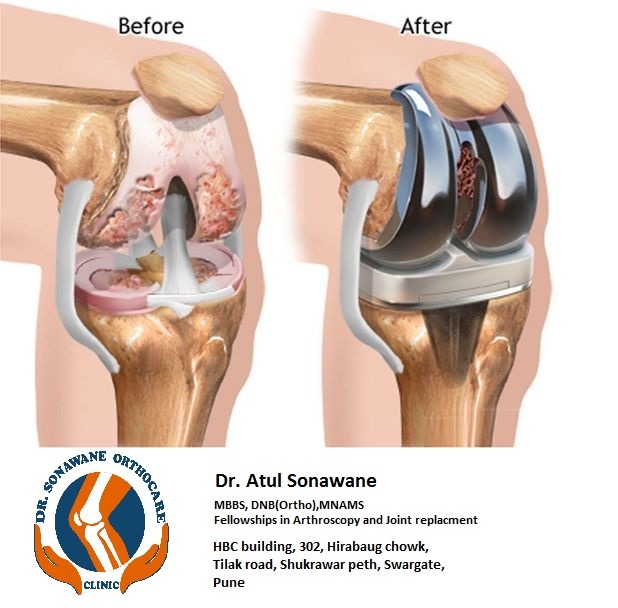
When knee arthritis becomes advanced and pain significantly limits walking, sleep, or daily activities despite appropriate non-surgical treatment, knee replacement surgery may be considered.
During knee replacement, damaged joint surfaces are replaced with artificial components. The procedure aims to reduce pain and improve function. The decision depends on symptoms, examination findings, imaging, general health, and the patient's goals.
Not everyone with knee arthritis requires surgery.
Dr. Sonawane Orthocare Clinic provides orthopedic consultation and management for knee arthritis, joint pain, sports injuries, ligament problems, and other musculoskeletal conditions.
Dr. Atul Sonawane,
Consultant orthopedics, Joint replacement and Arthroscopy specialist
Dr. Sonawane Orthocare Clinic, HBC BUilding, 302, Hirabaug Chowk, Tilak road, Shukrawar peth, Swargate, Pune
www.sonawaneorthocare.com